




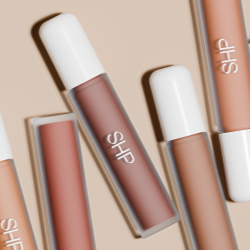
Lip gloss is an essential little item in many people's makeup bags.
But have you ever wondered:
Why does some lip gloss apply smoothly, while others pick up too much or too little product?
Actually, besides the formula itself, the packaging structure and compatibility also play a crucial role.
This article will easily guide you from a professional perspective to understand the "little secrets inside" a lip gloss.
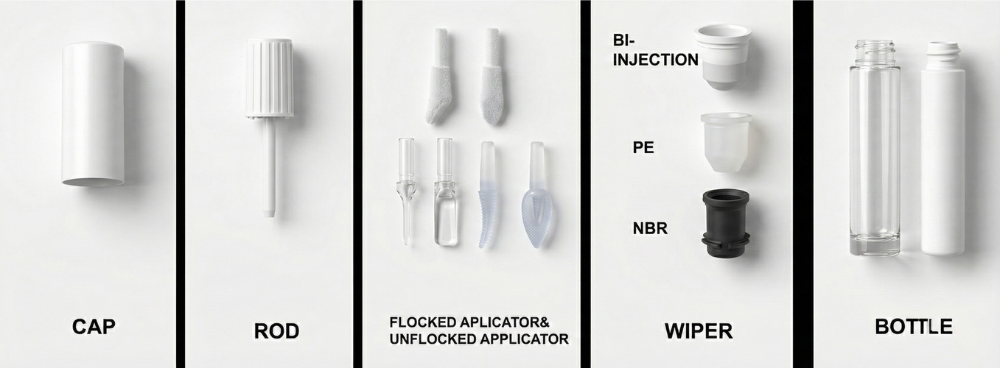
PART 1: The Structure of Lip Gloss is More Complex Than You Think
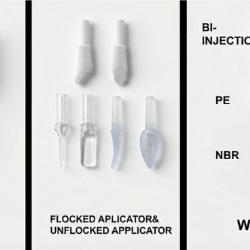
Don't underestimate this small tube; it's actually composed of multiple parts:
— Behind this small tube of lip gloss lies a precise mini engineering project.
PART 2: Why is Compatibility So Important?
The quality of the lip gloss experience largely depends on whether the "packaging and formula" are compatible.
When developing a lip gloss, brands conduct numerous "makeup effect tests."
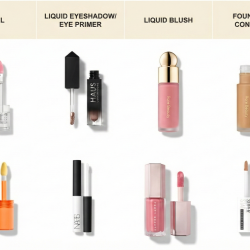
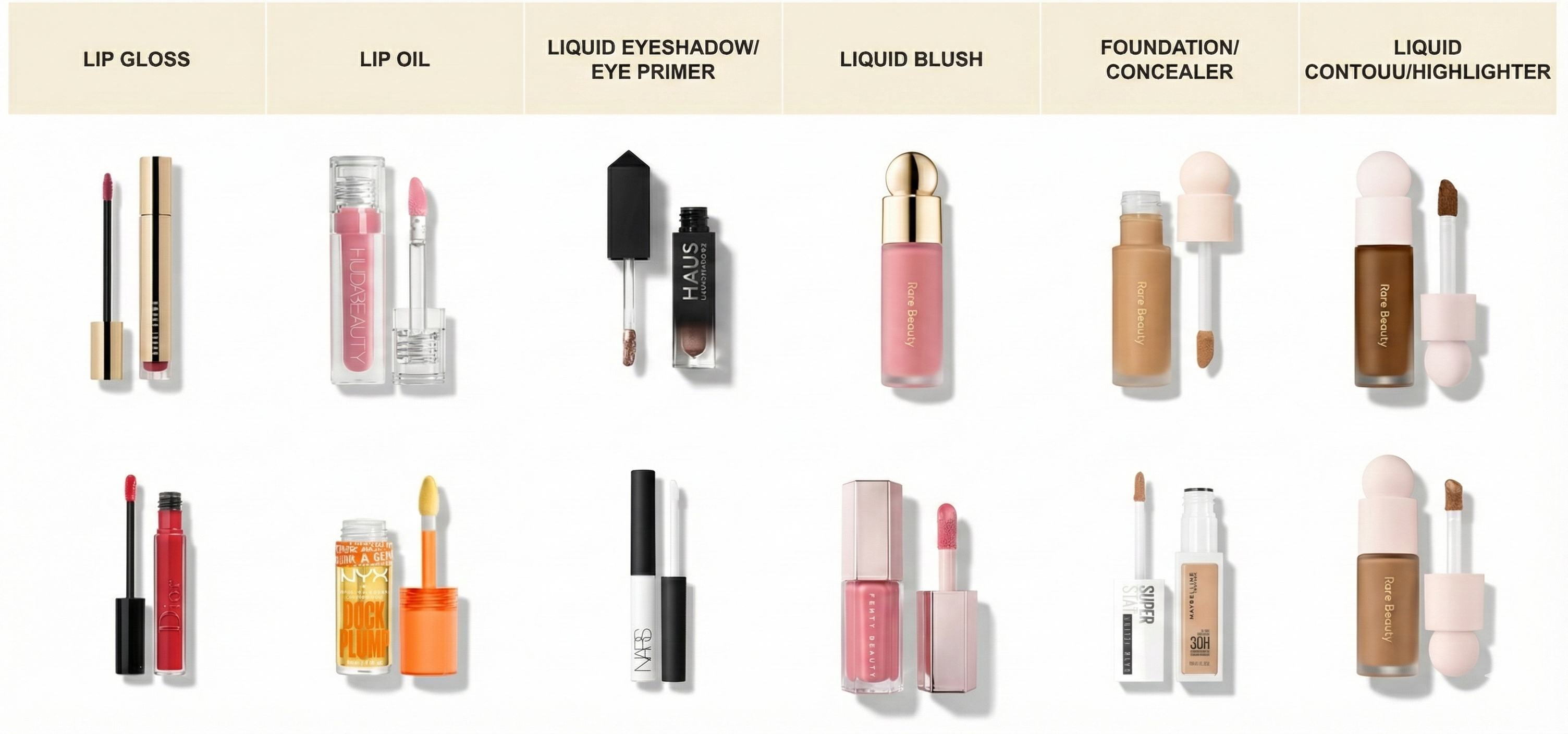
PART 3: Target Applications for Dip-in
PART 4: Recommended Stock Molds
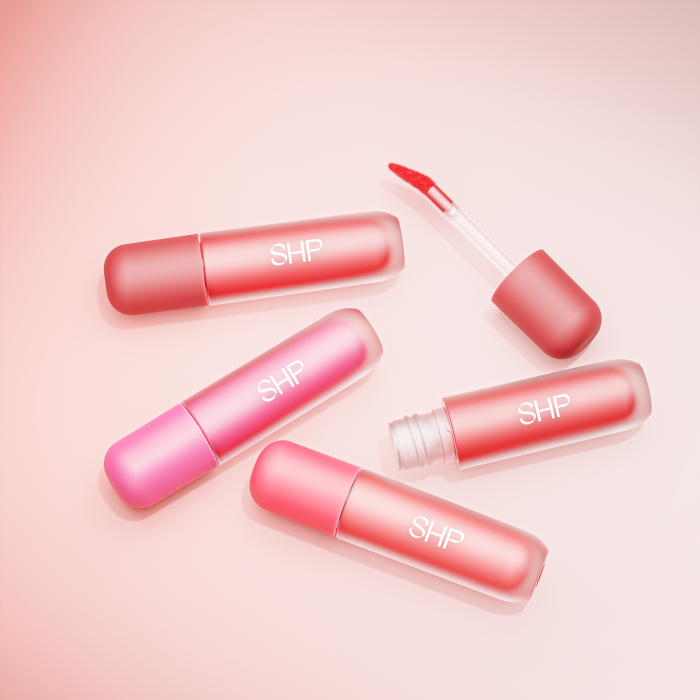
- Plump, chubby shape for a more comfortable and ergonomic grip.
- Supports a large-sized doe foot applicator for easy, full-coverage application with rich color payoff.
- Distinctive dome cap offers a cute and stylish packaging appearance.
- Purer materials used throughout - free of ABS and POM - making it safer and more eco-friendly.
- Thick-wall design enhances transparency and feel, effortlessly elevating the product's premium quality.
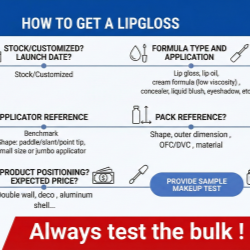
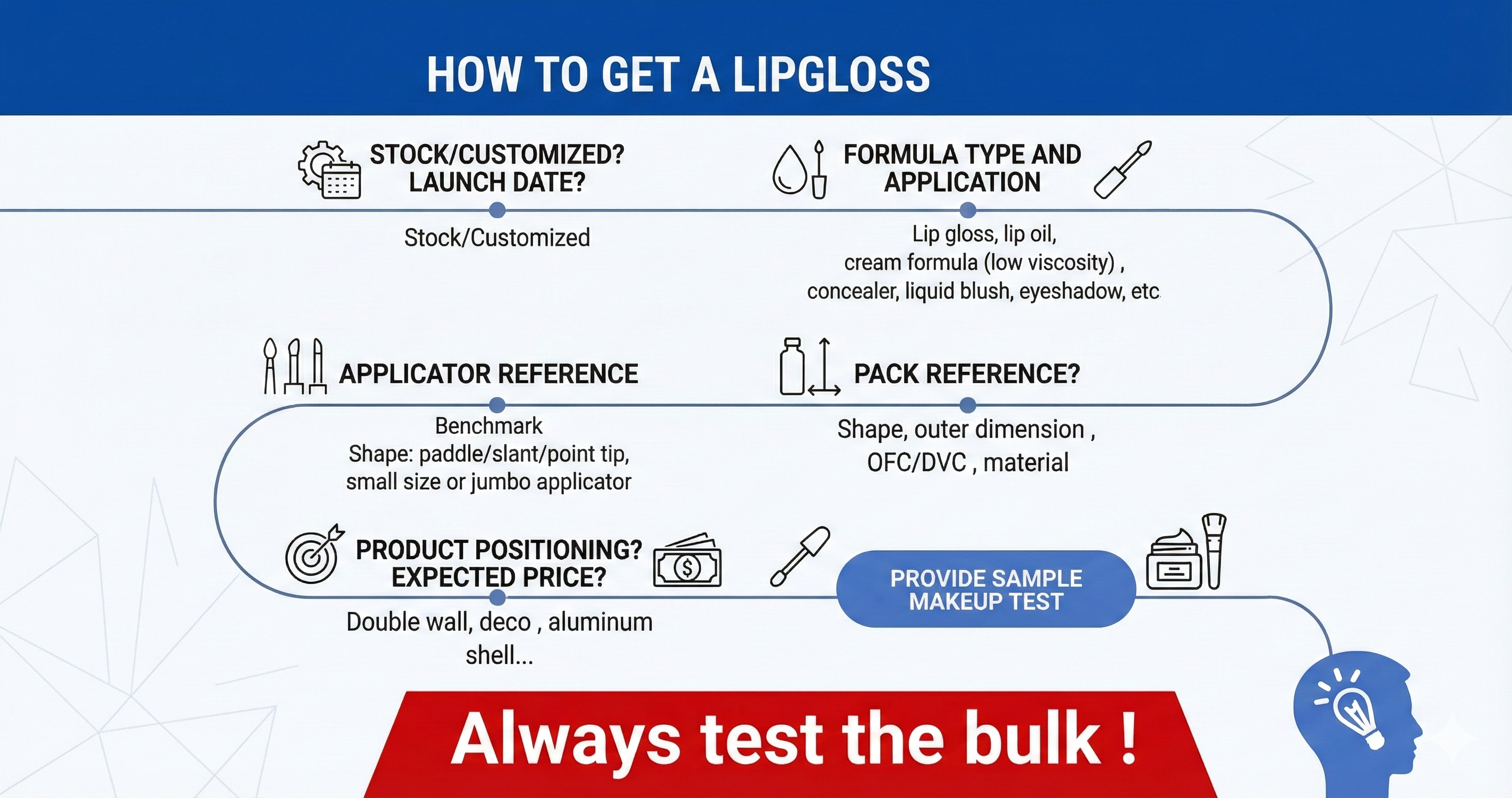
PART 5: General Process for Creating a Lip Gloss
It's actually quite simple, yet also very professional:
Final Notes
Lip gloss may seem simple, but it's a classic representative of "small yet refined" products in the beauty world.
From the applicator tip to the wiper, from the wand to the formula, every single detail affects the final experience.
We hope this article helps you see more of the "unseen expertise" when choosing, using, or developing lip gloss.
| Highlighted | Yes |
|---|---|
| Show on website | Yes |