


Public
 Bona Pharma 3D Catalogue
- BONA Pharma Catalogue
 Bona Pharma Certificates
 Bona Pharma News
- Bona Pharma Registration Certificates
 Gallery - Eye Droppers
- Gallery - Multi-dose Sprayers
- Gallery - Nasal Spray
- Gallery - Throat Spray
 Locations
If this is your company, CONTACT US to activate Packbase™ software to build your portal.
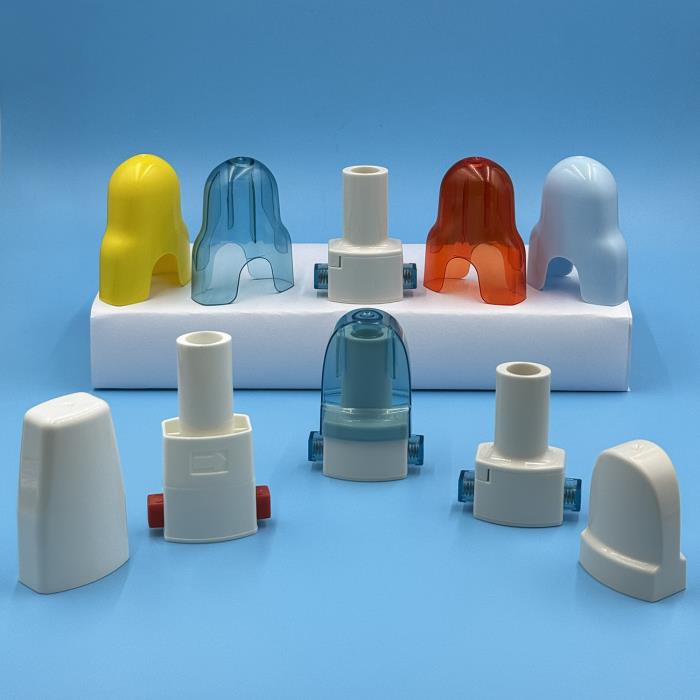

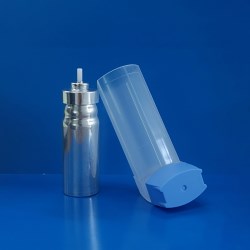
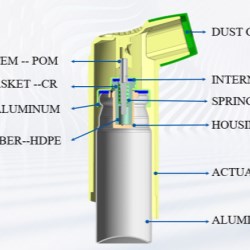
A Metered Dose Inhaler (MDI) is a multidose pack that is versatile and readily available for clinical use. In a MDI, the drug is expelled by a metered valve in a prefixed volume from a volatile propellant. As a cornerstone of respiratory medicine, MDIs are relied upon by millions to deliver life-saving medication. However, the effectiveness of these devices hinges not just on the formulation but also on the reliability and integrity of the packaging.
At BONA Pharma, we understand the critical role packaging plays in ensuring patients safety and medication efficacy. So, what are the key aspects of MDI packaging and how is BONA Pharma at the forefront of innovation in this space? Read on.
Quality by Design
The choice of packaging material affects the product performance and the raw material used for the packaging should be comliant with Food and Drug Contact Regulations.
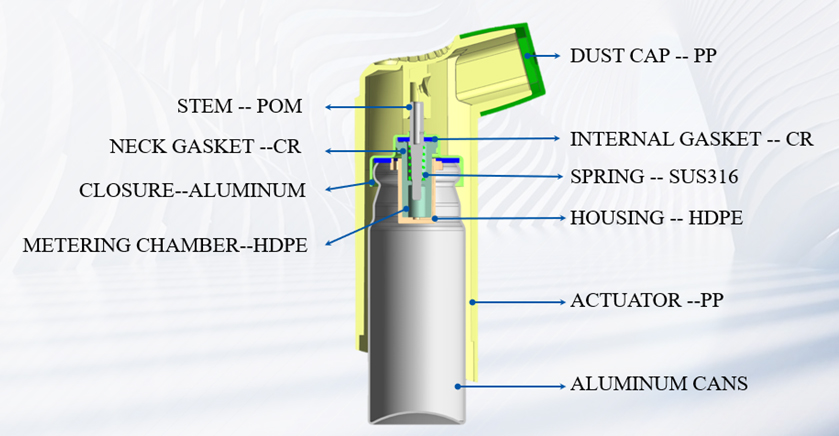
Aerosol containers must withstand pressures as high as 180 Psig at 130ºF. Stainless steel containers are used for special formulations only. Aluminum containers require that the inner wall be coated with a protective layer to prevent reactions between the formulation and the aluminum.
The metering valve regulates the flow of active ingredients and propellent from the container and determines the spray characteristics of aerosol. It is a complex assembly of various components that include a POM stem, a SUS 316 spring and a NBR, EPDM, CR sealing gasket. A metering dosage from 25µl to 75μl of product can be delivered per actuation.
The actuator should provide adequate air ducting for inhalation to the mouthpiece at an acceptable low flow resistance. It is an integral part of the MDI in PP, PE and one of its key features is that it allows easy opening and closing of the valve.
Bona Pharma's MDI devices
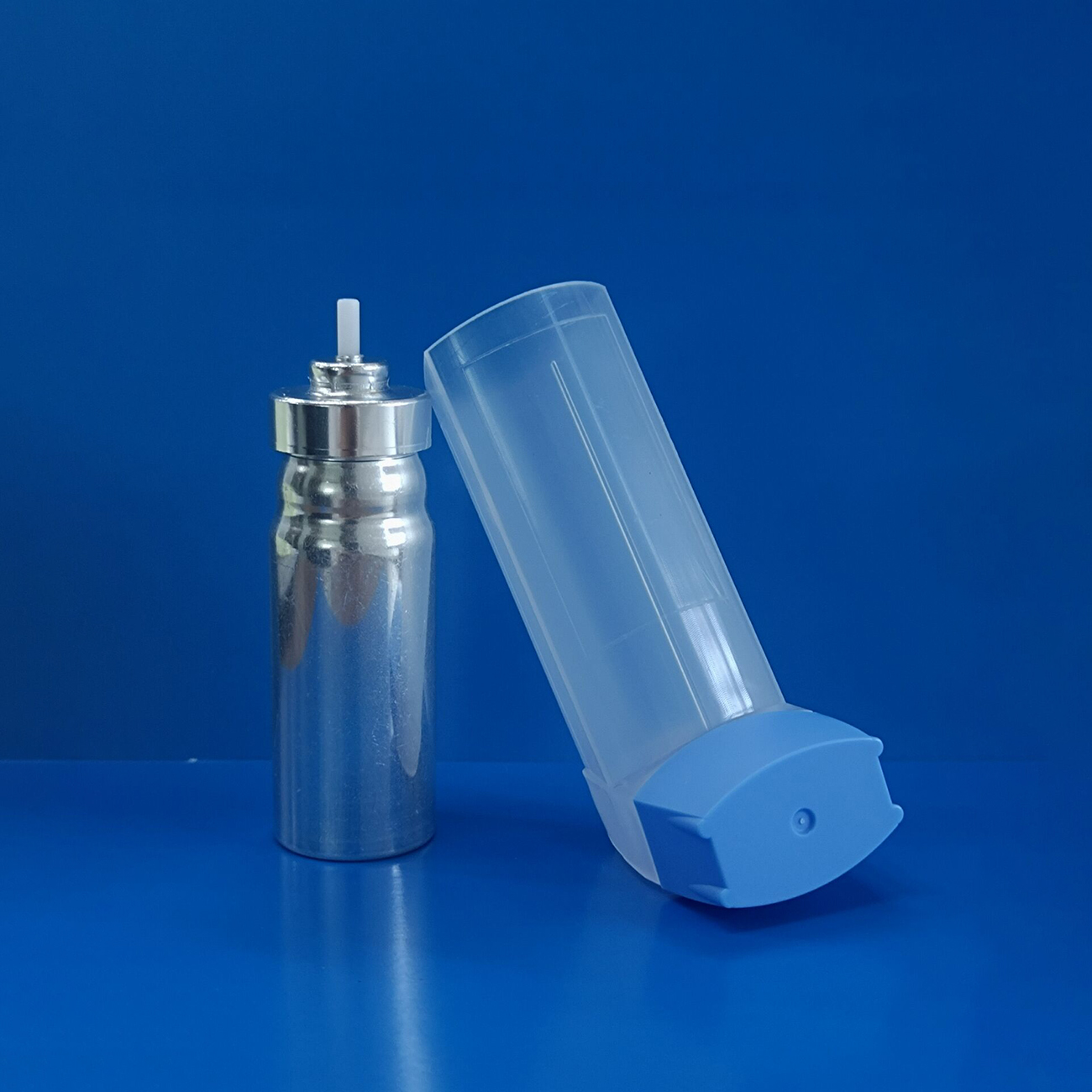 Bona Pharma manufactures MDI devices with an aluminum bottle of 14ml or 19ml and dosage options of 0.028ml, 0.05ml, 0.063ml with a tolerence range of ± 15%.
The orifice diameter is available as 0.025mm or 0.035mm and the spray pattern and droplet size is customized according to the formulation of the medication.
Both Metered Dose Inhalers and Dry Powder Inhalers (DPIs) are crucial delivery systems for respiratory conditions like asthma and COPD, each with distinct advantages. So how do they differ?
MDIs are recognized for their rapid drug deposition capabilities, facilitating faster and more effective bronchodilation. This makes them suitable for managing both chronic and severe cases. Notably, MDIs often exhibit a greater in vitro respirable dose compared to DPIs. A key operational advantage of MDIs is the absence of required breathing coordination for actuation, ensuring consistent dose delivery irrespective of varying patient inspiratory flow rates.
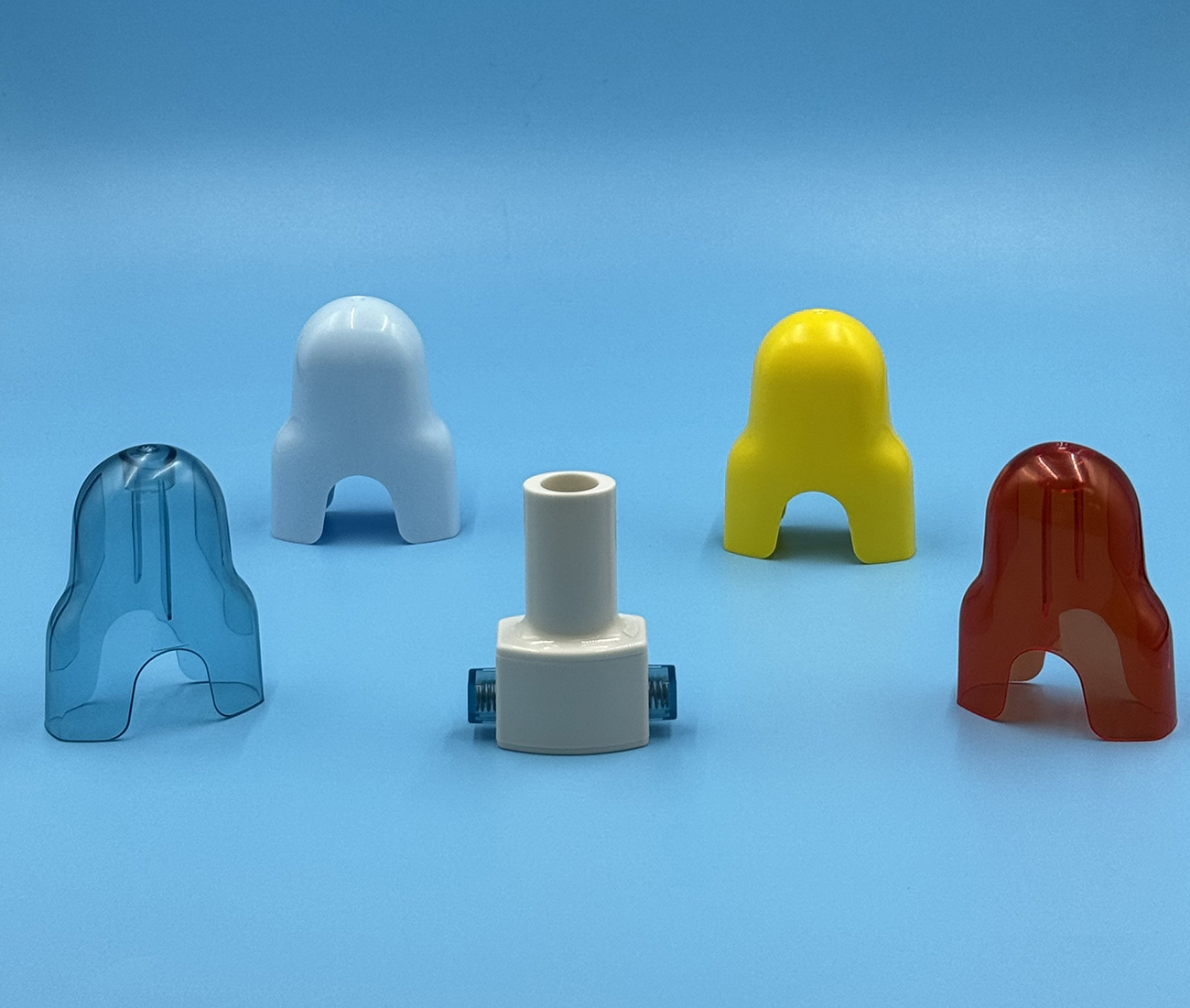
Conversely, DPIs, as another established route for inhaled therapy, operate on a breath-activated principle. The lung deposition from a DPI is determined by the patient's inspiratory flow rate, influencing both the emitted dose and the respirable particle fraction. Whilst DPIs eliminate the actuation-breathing synchronization requirement associated with MDIs, they introduce a dependency on patient inspiratory effort, which can lead to variations in drug delivery.
Comparison of MDIs and DPIs
| Metered Dose Inhaler | Dry Powder Inhaler | |
| Working Principal | Propellant-Driven Aerosol, it atomizes the drug (solution or suspension) into tiny droplets, with the dose controlled by a metering valve. | No propellant. The system relies on the airflow generated by the patient's inhalation to disperse the dry drug powders into inhalable particles. |
| Activation Mechanism | Manually Actuated: Requires the patient to coordinate the pressing the canister with their inhalation. | Breath-Activated: Relies entirely on the patient's inspiratory strength and speed. |
| Patient Coordination Requirements |
Moderate: Requires coordination between pressing the canister and inhaling the drug. While it doesn't demand extremely high inspiratory force, poor coordination will affect the effectiveness of medication delivery as it can be delivered to the throat rather than into the airway, with less of the drug delivered directly into the lungs. Lower dependence on patient's inspiratory flow compared to DPI. |
High: The patient needs sufficient inspiratory capacity (airflow rate and depth) to effectively draw the medication into the lungs. The speed of inhalation directly impacts the device's function. |
| Drug Delivery Consistency |
More Consistent: Even with a weaker inhalation, the propellant will aerosolize and deliver the medication easily. |
Less Consistant: Highly dependent on the patient's inspiratory flow rate. |
| Advantages and Benefits |
Cost-effective & |
Environmentally Friendly: No Propellant. |
In conclusion, both MDI and DPI are indispensable drug delivery systems for managing respiratory diseases. MDIs are renowned for their propellant-driven, stable drug release and extensive history of use, making them particularly suitable for patients requiring rapid onset of action and a higher in vitro respirable dose.
In contrast, DPIs offer an alternative option for patients, featuring their propellant-free environmental friendliness and the common presence of dose counters. The core requirement for their use lies in the patient's ability to generate a sufficiently strong and fast inspiratory flow rate to effectively activate the device and deliver the medication.
BONA Pharma, through its meticulous attention to MDI/ DPI packaging materials and key component design, is dedicated to ensuring drug delivery stability and efficacy, thereby safeguarding patient’s safety. Ultimately, the choice between MDI or DPI, and how to ensure maximal therapeutic effect, cannot be made without a comprehensive consideration of individual patient characteristics (such as coordination ability and inspiratory strength), drug properties, and detailed usage instructions.
Contact BONA Pharma directly to learn more about options available for its MDI and DPI products.