


 ELITER Packaging Machinery - News
 Advantages of automatic packaging and packaging machinery
- Consumable Products are the Fuel of Packaging Machines
- Efficiency with Packaging and Process Automation
- ÉLITER Packaging Machinery Seeks to Upgrade its Cartoning Machine to a Higher Level
- ESTRENA™ Wrap-Around Sleever: Packaging Automation for Ready Meals
- Selecting the Ideal Packaging Machine for Your Food Production
- Smart HMIs Transform the Operation of Packaging Machines
- The 6 advantages of automatic packaging
- The 6 Advantages of Using Automatic Packaging Machines
- The Unprecedented Sleeving Machine for the Food Industry
- What is blister packaging?
- What is it and why should you buy a cartoning machine?
- Why is it important to validate a packaging machine manufacturer?
Public
 ELITER Packaging Machinery
- ELITER Packaging Machinery - News
 ELITER Packaging Machinery Links
 ELITER Packaging Machinery Locations
 ELITER Packaging Machinery Presentations
 ELITER Packaging Machinery Videos
If this is your company, CONTACT US to activate Packbase™ software to build your portal.
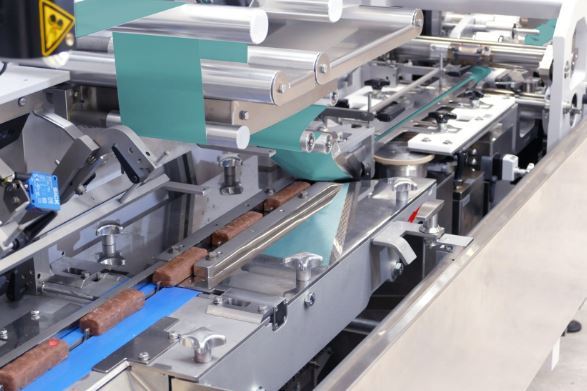

Introduction to Selecting the Ideal Packaging Machine
In the intricate dance of the food packaging industry, choosing the right packaging machine is akin to selecting the perfect partner for a duet. It requires a balance of performance, reliability, and harmony with industry standards to ensure the safety and freshness of food products. Like a master chef selecting the finest ingredients, the choice of a packaging machine demands careful consideration of its functionality, compliance with food safety norms, and adaptability to evolving technologies. Durable materials such as stainless steel are often preferred for their longevity and ease of maintenance, essential traits for thriving in the humid, bustling environment of a food processing facility. This initial choice is pivotal, setting the stage for operational efficiency and product quality that meets consumer expectations.
Choosing the Right Packaging Machine: A Buyer's Guide
When it's time to bring a new packaging machine into the fold, it's a bit like scouting for the perfect team player. These machines are pivotal in ensuring the food products are securely packed, fresh, and ready for consumers. Think of it as selecting a vehicle - you're looking for reliability, efficiency, and value for your investment. Specifically, machines that comply with stringent food safety regulations are a must. Stainless steel options are favored for their durability and ease of cleaning, essential for maintaining a sterile environment in the damp conditions of food processing plants.
Routine Maintenance: The Lifeline of Packaging Operations
Regular upkeep of packaging machinery is akin to taking your car for service; it's not just about fixing what's broken. It's about preventing issues before they arise. Industry veterans will attest that allocating resources for routine maintenance extends the lifespan of machinery and safeguards against operational hiccups. It's a proactive strategy to avoid unexpected downtime and costly repairs.
Data-Driven Efficiency: The Competitive Edge
In the modern manufacturing landscape, the smartest players are those who harness the power of data. Through the use of sophisticated software and sensors, companies can monitor machine performance in real-time. This insight allows for the optimization of the packaging process, reducing waste and enhancing productivity. It's about having a bird's-eye view of operations and making informed adjustments for seamless production.
Downtime Reduction: Keeping the Wheels Turning
No one likes when the line stops; it's synonymous with lost time, dissatisfied customers, and in the worst cases, spoilage. Top-tier operations invest in foresight—anticipating potential malfunctions and having contingency plans in place. This could mean having spare parts on hand or implementing rapid-response repair teams. The goal is clear: keep downtime to an absolute minimum.
The Future is Now: Robotics and AI in Packaging
Looking to the horizon, the integration of robotics and artificial intelligence (AI) into packaging processes is set to revolutionize the industry. These technologies offer the promise of heightened efficiency, faster packaging speeds, and significantly reduced waste. As these innovations become more widespread, they will undoubtedly redefine the standards of food packaging operations.
Collaboration and Knowledge Sharing: The Path Forward
The journey to excellence in food packaging is ongoing. It's about making informed decisions regarding equipment purchases, committing to rigorous maintenance schedules, and staying adaptable to technological advancements. Furthermore, the exchange of insights and experiences within the community is invaluable. Through sharing knowledge, the industry as a whole can move towards more sustainable, efficient, and innovative practices.
Conclusion: Wrapping It All Together
In summary, the selection and maintenance of packaging machines are critical elements in the food industry's ongoing quest for excellence. From the initial choice of machinery equipped to meet safety and efficiency standards, to the embrace of cutting-edge technologies like AI and robotics, the industry is in a constant state of evolution. The commitment to maintenance, the strategic use of data, and the minimization of downtime are all foundational practices that drive success. As we look towards the future, the collaboration and exchange of knowledge among industry professionals will continue to be the catalyst for innovation and improvement. Together, we are not just packaging food; we are ensuring the delivery of quality, safety, and satisfaction to consumers around the globe.