


If this is your company, CONTACT US to activate Packbase™ software to build your portal.

Introduction
When cafés, juice bars, or event caterers switch from traditional plastic to PLA cups, they’re not just following a trend—they’re embracing a smarter, more sustainable material designed for real performance. Yet many business owners still wonder: where exactly can PLA cups be used, and what should we pay attention to when using them?
Let’s explore the key application scenarios, proper usage guidelines, and how certified PLA packaging—like Bioleader®’s compostable series—helps businesses meet both environmental goals and operational efficiency.
What Are PLA Cups and Why They Matter
PLA (Polylactic Acid) cups are made from renewable plant-based starches such as corn. Unlike petroleum plastics, they can be industrially composted and produce far less CO₂ during manufacturing.
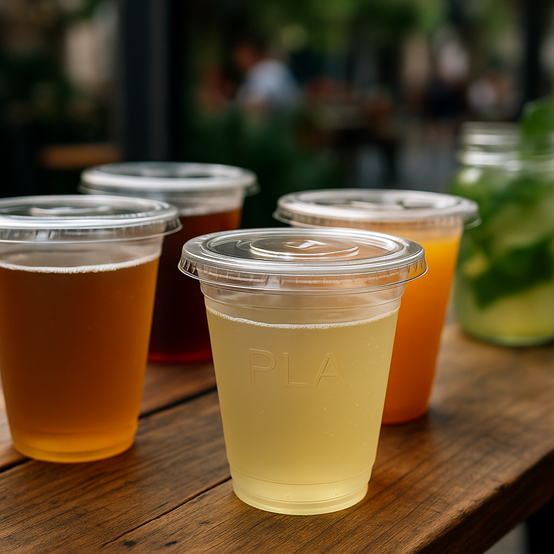
Bioleader® offers a range of compostable plastic cups that combine crystal-clear appearance with reliable performance. These cups are lightweight, food-safe, and perfect for cold beverages.
Everyday Use Scenarios for PLA Cups
1. Cafés, Juice Bars, and Smoothie Shops
For businesses serving cold beverages, compostable PLA cups clear are ideal. They maintain excellent transparency and stiffness, presenting your drinks attractively while staying eco-friendly.
2. Takeaway and Delivery Services
Foodservice brands looking to reduce plastic waste can switch to compostable PLA clear cups for iced coffees, milk teas, and fruit juices. These cups pair easily with tight-fitting lids, making them spill-resistant during delivery.
3. Outdoor Events, Festivals, and Corporate Gatherings
Large gatherings often produce massive amounts of single-use waste. Using biodegradable plastic cups with lids helps organizers reduce landfill impact while maintaining hygiene and convenience. These cups perform well for both branded promotions and mass-service environments.
Best Practices and Safety Considerations
- Temperature Awareness – PLA softens above 45–50 °C. It’s perfect for cold drinks, but not suitable for hot beverages.
- Storage Conditions – Keep cups in a cool, dry environment away from direct sunlight to maintain strength and clarity.
- Composting Readiness – Dispose of used cups through industrial composting systems. When composted correctly, PLA breaks down into water and CO₂ within 90–180 days.
- Branding Options – Bioleader®’s printing process uses food-grade, compostable inks—ideal for café or event logo customization.
- Regulation Compliance – All PLA cups should comply with EN 13432 or ASTM D6400 standards for compostability and be free of PFAS or BPA additives.
Case Example: How a Café Chain Switched to PLA Cups
A regional café group replaced 100 % of its cold-drink PET packaging with Bioleader® PLA cups. Within six months:
- Single-use plastic waste was reduced by 70 %
- Customer satisfaction improved by 22 % (based on post-purchase surveys)
- Waste-management costs decreased by 15 % due to composting partnerships
The switch demonstrated that sustainable packaging doesn’t just protect the environment—it strengthens brand image and customer loyalty.
FAQ
Q1: Can PLA cups be reused?
A: They are designed for single use in foodservice. Reuse is possible for non-hot drinks but not recommended for long-term use due to temperature sensitivity.
Q2: Are PLA cups safe for all types of beverages?
A: Yes, for cold or room-temperature drinks. Avoid hot liquids above 50 °C.
Q3: How should PLA cups be disposed of after use?
A: They should go to industrial composting facilities. When not available, partner with waste contractors who handle compostable materials.
Q4: Can PLA cups be customized with logos or patterns?
A: Absolutely. Bioleader® offers custom printing using eco inks compatible with its compostable plastic cups range.
Q5: What is the difference between biodegradable and compostable PLA cups?
A: All Bioleader® PLA cups are both biodegradable and compostable, meaning they break down into natural elements under industrial composting conditions without leaving toxic residues.
Conclusion
Switching to PLA cups is more than a sustainability gesture—it’s a commitment to innovation, safety, and responsible branding. By understanding where and how to use them, operators can meet eco-goals while maintaining service quality.
From cafés to outdoor festivals, Bioleader® continues to prove that sustainable packaging can be as practical and elegant as it is environmentally sound.
As the global market moves toward circular packaging, now is the time to make PLA your new standard in eco-friendly foodservice.