


If this is your company, CONTACT US to activate Packbase™ software to build your portal.


By Cristiano Wuerzius CEO at PackIOT
I am not a big fan of “futurology” or of analysts that have to pretend they know what is going to happen, without being able to admit that in reality, they have no idea.
However, the exercise of creating scenarios is very important for any organization. The most important thing is the exercise of planning, not the plan itself. In this context I would like to discuss, what will be different in the manufacturing industry after this Black Swan (as Nicholas Taleb calls these unpredictable events that shape our society) we are going through called Covid19, that has forced us to stay at home and keep distance to protect in order to our colleagues and loved ones.
Many changes are made by free will, by choice. Many others are just forced into us. Many digital disruptions that have been an option for a long time are now being forced into companies. We all have seen this happening in our personal lives.
A friend told me that his mother died of diabetes 3 months ago. Although he was really sad, he understood that he would be next in line if he didn’t change habits. So, he made a commitment to eating healthier and doing exercise 3 times a week. In 3 months, he lost 34 kg since then. He always knew that eating healthy and exercising was important, but the crisis made it finally happen. The Covid19 crisis is very likely to have a similar effect on how manufacturing companies related to technology.
While trying my best not to sound like an oracle, I have listed some changes that, according to our studies, observation, and discussion with CEO’s from the industry, will happen in the next few years and the impact it might have in the manufacturing industry in terms of digital transformation. Some of them will come top-down, due to changes in policies while others will come bottom-up, due to new habits developed in times of quarantine.
1 - Video conference might turn into the primary way of having meetings with suppliers and colleagues
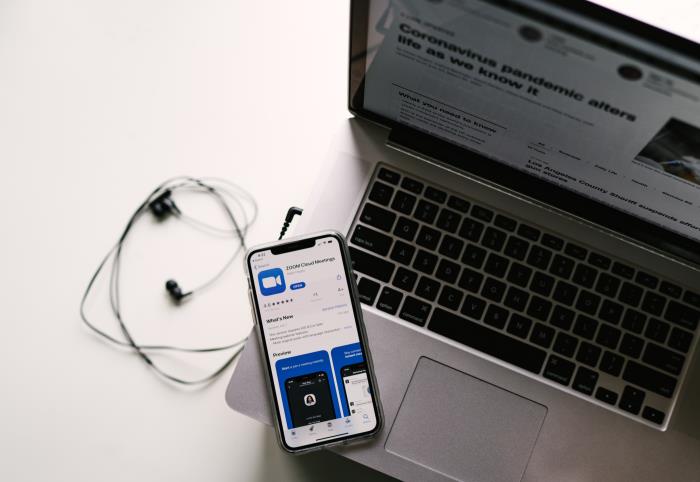
The manufacturing industry was very used to getting visits from sales reps, even in the early stages of a sales process. The digital maturity of managers, lack of webcams on computers, firewalls used to be a barrier for most companies. This quarantine has solved all these issues within one month and it came to last. Visits will only happen when really necessary
2 - Trade shows will have to find a digital replacement
Although this shift had already happened in other industries, the manufacturing industry still relied a lot on trade shows to foster networking and see what is new in the market. An average plant manager, always in the rush of keeping the production running, rarely took time to study, read blog posts, watched videos to stay up-to-date. This will have to change and it will be an easy task, neither for OEMs nor for managers. If you haven’t updated your LinkedIn account (or of your company) lately, maybe it’s time to do it. And that is not to look for a new job, but to exchange and learn.
3 - Augmented reality will turn into a must-have
Always seen as too futuristic, the use of “Robocop-Glasses” will turn into reality really fast. Machine manufacturers will have a hard time sending field engineers around the world to repair machines. Much of the tasks they used to realize will have to be performed remotely.
4 - Internal communication and reporting tools
Those 10.000 endless meetings a week might finally have an end (see, there is also good news in crisis time). Information will have to keep flowing, but with less personal contact and meetings. In order to make that happen information will have to be better organized, with automatic data collection and reporting systems. Whatsapp will surely help, but will not be enough.
5 - Remote, real-time access to the factory data
“What is happening in the factory right now”. Incredibly enough, most plant managers still cannot answer this question without running around the factory, looking at machine speeds on the machines’ HMI’s. Real-time analytics software will be necessary to efficiently run a factory in times of social distancing. It will also become more socially acceptable (maybe even desirable) that some managers work from home, on a rotation model, as it is happening in many factories right now.
6 - Wearables or health check
The health of employees will have to be checked on a regular basis. While some companies will choose to go the normal thermometer route, other ones might ask employees to wear wrist bands that share their health status with everybody, so that they can track it in time. Any sign of illness will be turned into paid leave.
7 - Cloud computing and cybersecurity
Most companies will not be able to make the change they have to without adopting cloud computing. The development and deployment time for on-premise solutions (internal servers) is much longer and increases reaction time. With all the hacking events we’ve seen in Zoom meetings and E-Learning platforms have shown how important cybersecurity is for any modern digital solution.
Although some of these trends have been around for quite a while, they were no more than a “recommendation”. I believe the current situation and the “post-crisis” will force many companies to adapt to the “new normal”, to guarantee the safety of people and the continuity of business, simultaneously.
Cristiano Wuerzius
CEO at Packiot, multi-entrepreneur, manufacturing and IoT enthusiast. Father of 2 beautiful girls and a big fan of windsurfing.