


Public
 Boost Your Brand with Creative Bottle Neckers
- Boost Your Brand with Innovative Custom Packaging Solutions
- Connecting with Customers: The Art of Branding Through Thoughtful Packaging
- Creating Memorable Unboxing Experiences with Custom Packaging
- Custom Packaging Trends Every Business Should Know in 2024
- Customized Solutions for a Lasting Brand Impact
- Design That Speaks: Shaping Brand Perception
- Elevating Your Brand with Custom Packaging: A Complete Guide
- From Box to Wow: Creating Memorable Customer Moments with Packaging
 swift Print Pack Links
 swift Print Pack Locations
- The Future of Packaging: Innovations You Need to Know
- The Role of Packaging in Brand Identity: Building Recognition and Trust
- Top 10 Packaging Design
- Top 5 Reasons Why Businesses Should Invest in Custom Packaging Solutions
- Top Trends in Box Design for Modern Brands
- Unboxing Success: How Custom Packaging Shapes Brand Perception
- Why Custom Packaging Is Key to Standing Out in a Crowded Market
- Why Eco-Friendly Packaging Matters for Your Business
If this is your company, CONTACT US to activate Packbase™ software to build your portal.
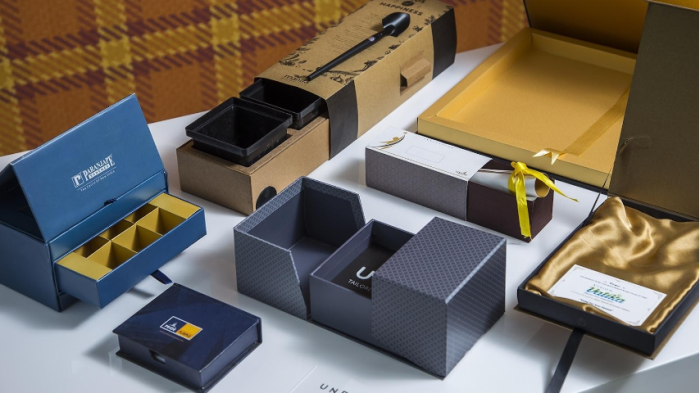

In today's competitive marketplace, packaging plays a crucial role in shaping a brand's identity. It's more than just a protective layer for products; packaging is often the first interaction a customer has with a brand. From the materials used to the design elements, packaging influences how a brand is perceived and how much trust it can build with its audience. Whether it's a simple paper box or a sleek hang tag, the right packaging can make a lasting impression and contribute to long-term brand loyalty.
Packaging as a Visual Brand Ambassador
Packaging serves as a visual ambassador for your brand. It communicates the brand's message, values, and personality without saying a word. Consider how brands like Apple use sleek, minimalist designs for their products' boxes. These paper boxes are not just functional; they embody the brand’s identity—clean, innovative, and premium. A similar approach applies to any industry where packaging becomes a vital touchpoint between the product and the consumer.
A well-designed hang tag for clothing or accessories, for example, is another form of packaging that reinforces the brand’s ethos. A luxury brand may use heavy cardstock with foil embossing to convey elegance, while a more eco-conscious company may opt for recycled materials and minimalist designs, signaling sustainability. Every detail, from the color palette to the font choice, can either enhance or weaken brand identity.
Differentiating Your Brand in a Crowded Market
In a market filled with similar products, packaging can be a powerful differentiator. Consumers are drawn to packaging that stands out on shelves, both in physical stores and online. Paper boxes offer endless possibilities for creative design. For example, a unique box shape or an eye-catching graphic can instantly make a product memorable.
Hang tags are particularly important in the fashion industry, where a tag’s quality, design, and message can set a brand apart from competitors. Some brands use their hang tags as an extension of the brand story, adding details about the company's mission, the materials used in the product, or even care instructions that are consistent with the brand’s voice. This makes the packaging not only functional but also a key storytelling tool that engages the customer.
Packaging as a Tool for Building Trust
Trust is fundamental in any consumer-brand relationship, and packaging is a key driver of that trust. Well-made, high-quality packaging suggests that the brand cares about its products and its customers. For instance, paper boxes used for food packaging or delicate items should be sturdy and protective, giving the customer confidence that the product inside is safe and of high quality.
In industries like fashion, a well-designed hang tag can signal authenticity and attention to detail. Customers are more likely to trust a product with professional, high-quality tags than one with flimsy or poorly designed packaging. By investing in premium packaging, brands convey that they value their product and the customer experience, ultimately fostering trust.
Reflecting Brand Values through Packaging
In 2024, more consumers are aligning their purchasing decisions with their values, particularly when it comes to sustainability. Brands can use their packaging as a platform to reflect their commitment to social and environmental causes. Paper boxes, for example, are increasingly made from recycled or biodegradable materials. By clearly communicating the eco-friendly nature of their packaging, brands can appeal to environmentally conscious consumers.
Similarly, brands can use hang tags to highlight their ethical practices. A hang tag could include a statement about fair trade practices, sustainable sourcing, or a company’s support for charitable causes. This not only reinforces the brand’s values but also builds a deeper connection with the consumer, who feels good about supporting a brand that aligns with their beliefs.
Creating a Memorable Unboxing Experience
The unboxing experience has become an integral part of how consumers interact with brands, especially in the age of e-commerce and social media. Packaging that is carefully designed to enhance this experience can turn a one-time customer into a loyal fan. Paper boxes that are easy to open, aesthetically pleasing, and thoughtfully designed create a sense of excitement and anticipation.
For products that come with hang tags, the unboxing experience extends to how the tag is presented and how it complements the overall packaging. Brands can add personalized messages or unique touches, such as handwritten notes or QR codes that lead to exclusive online content. These elements make the unboxing experience memorable and shareable, increasing the likelihood of word-of-mouth promotion and social media exposure.
Enhancing Brand Recognition through Consistency
Consistency in packaging design is key to building brand recognition. When customers see the same design elements across all your packaging—whether it's a paper box or a hang tag—it reinforces the brand in their minds. Over time, this leads to greater brand recognition, as consumers can easily identify your products based on their packaging alone.
For example, consistent use of colors, logos, and typography on both boxes and tags helps establish a cohesive brand image. When consumers recognize these elements across different products, they develop a sense of familiarity, which builds trust and encourages repeat purchases.
The Role of Packaging in Storytelling
Great packaging tells a story. It communicates where a brand has come from, where it’s going, and what it stands for. Whether you’re designing a paper box for artisanal goods or a hang tag for a high-end fashion line, the packaging should align with the narrative your brand is telling.
For example, a brand that prides itself on craftsmanship can use packaging to highlight the details of how their products are made. This could include a note printed on the inside of the box or a hang tag that describes the handcrafted nature of the product. Packaging gives brands an opportunity to engage with customers on a deeper level by offering insight into the company’s values and processes.
Sustainability and Packaging: A Growing Consumer Expectation
As consumers become more environmentally conscious, sustainable packaging is no longer just a trend; it’s an expectation. Brands are increasingly opting for paper boxes and hang tags made from eco-friendly materials to minimize their environmental impact. Packaging that is biodegradable, recyclable, or reusable not only appeals to eco-conscious consumers but also reflects positively on the brand’s image.
By clearly communicating the sustainability of their packaging, brands can attract a growing segment of consumers who prioritize eco-friendliness in their purchasing decisions. For example, a brand might use a hang tag made from recycled materials and include a message about its commitment to reducing waste. These small details can significantly enhance a brand’s reputation in the eyes of environmentally conscious shoppers.
Conclusion
Packaging is an integral part of building a brand’s identity. From paper boxes to hang tags, the choices you make in design, materials, and messaging all contribute to how your brand is perceived by consumers. Thoughtful packaging can set your brand apart, build trust, and create memorable experiences that keep customers coming back. In a world where first impressions count, packaging serves as both a marketing tool and a reflection of your brand's values, making it essential for building long-term recognition and trust.