


Public
 BeautySourcing Blog/Forum
 BeautySourcing in beauty trade shows
 BeautySourcing Locations
 BeautySourcing News
 BeautySourcing Videos
 Trending Products
 Welcome to BeautySourcing.com
If this is your company, CONTACT US to activate Packbase™ software to build your portal.
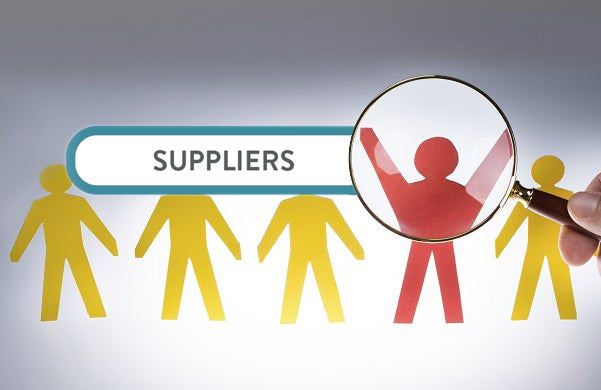

As China is moving toward high-end manufacturing from low-end manufacturing, a growing number of Chinese cosmetic manufacturers have pursued a global presence over the past decade and more. They attend various international beauty trade shows and sell products made in China to the rest of the world through e-commerce platforms. According to the data statistics of Chinese companies participating in overseas beauty trade shows during 2012-2019, top exports in recent years come from packaging, nail, eyelash, hairpiece, beauty device, skincare and permanent makeup sectors. And these sectors see a growing trend.
However, the outbreak disrupts the global beauty supply chain. Due to epidemic prevention and control policies launched by countries, factories across the globe suffer from shortage of stable workers. This, together with other issues like soaring freights, sounds an alarm for supply chain sustainability. In the circumstances, more and more global buyers shift toward “Made in China” because China is the first to keep the pandemic under control and resume work and production.
When it comes to sourcing from China in post-pandemic era, finding qualified beauty suppliers plays a vital role. Now here comes three tips to get you started.
Tip 1: spend time getting a shortlist of supplier candidates
There are various channels for you to seek suppliers in China. In addition to some search engines like Google, Bing or Yahoo and some social media like LinkedIn and Facebook, you can also resort to some online sourcing platforms, such as Alibaba, Global Sources and Made in China. But you have to spend time selecting suitable suppliers as many of them are small-scale middlemen (such as small-scale retailers and agents) and you may not get competitive prices. One big advantage is that some platforms like Alibaba rate their suppliers. This will accelerate shortlisting process.
Among these online platforms, BeautySourcing connects full-service premium manufacturers in Chinese beauty industry to global buyers. Through user-friendly product searches, you will find their innovative solutions and interact with them. Dealing directly with manufacturers means you may get the quality products and services at best prices. Moreover, BeautySourcing also gives its suppliers “premium supplier” rating, which indicates that these suppliers are real manufacturers after being checked, and for all the products listed online, you can also check onsite in the upcoming beauty events.
In this way, you will spend much less time on selecting premium suppliers. You can also check sample quality of these suppliers at offline beauty events and know about their production capacity. Above all, you can bargain with them on the spot after all prices offered online or by an agent are usually 20-30 % higher than your counteroffer prices on trade shows.
Tip 2: verify suppliers
Once a shortlist of suppliers are built, you may need to verify their credentials. Because you must ensure that your suppliers are who they claim to be. You can do this by reviewing some information available online, including but not limited to:
- Business license
- Ownership structure
- Background information
- Production and R&D capacity and credentials
Through above verification, you must make clear whether your suppliers are manufacturers or not. There’s no one-size-fits-all suppliers. But in many cases, a manufacturer can offer more benefits than a middleman, such as lower costs, greater flexibility and better control. Also, it is important to ask how they pack their products. For example, how many pieces of products are packed in a box, and how many boxes are in a container; how they do Transportation Simulation Test. Many factories are familiar with these issues as they are responsible for manufacturing and shipments. But middlemen may not be able to answer these questions. In addition, you must find out their technical expertise and production capability based on above checklist so that you can tell whether they have the ability to deliver what they promise.
Verification must be an ongoing process throughout the whole cooperation process. In particular, the current COVID-19 pandemic disrupts the global beauty supply chain to a certain extent, which amplifies the need for continuous supplier verification.
Tip 3: ask for a sample order
Asking for a cheap sample order is an essential step before you determine a new long-term supplier. Obviously, you want to see and feel the products before you partner with a new supplier. Placing a sample order is a way to test whether the supplier is truly up to future tasks.
Ordering samples provides you with an exciting opportunity to check the overall product quality (including design and functionality), costs, shipping connections, lead times and delivery efficiency before a larger, more expensive order. Meanwhile, you can take this opportunity to check your suppliers in real life and minimize the supply side risks, such as IP risks and payment risks. If their products, services or logistics can’t meet your expectations, you just need to stay away from them.
Overall, it is definitely not that easy to find qualified manufacturers from numerous Chinese suppliers in beauty industry. However, these three tips may be a good starting point for you to source from China. It’s worth noting that BeautySourcing will help you a lot. The platform is good at applying tactical local sourcing strategies and has partnered with many China-based factories and industry alliances. It manages Chinese beauty suppliers well by implementing strict qualification examination and rating system. With abundant high-quality resources at command, BeautySourcing will make sourcing from premium Chinese suppliers much easier.
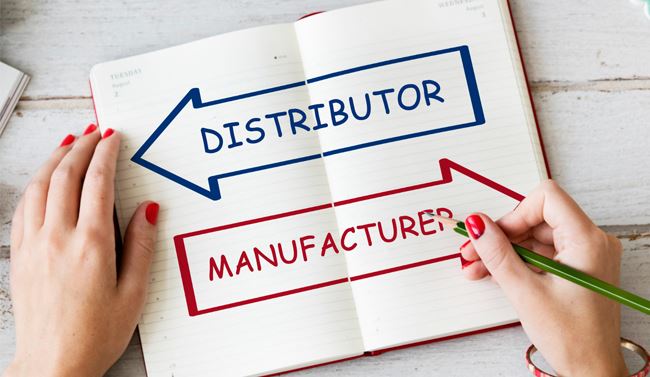
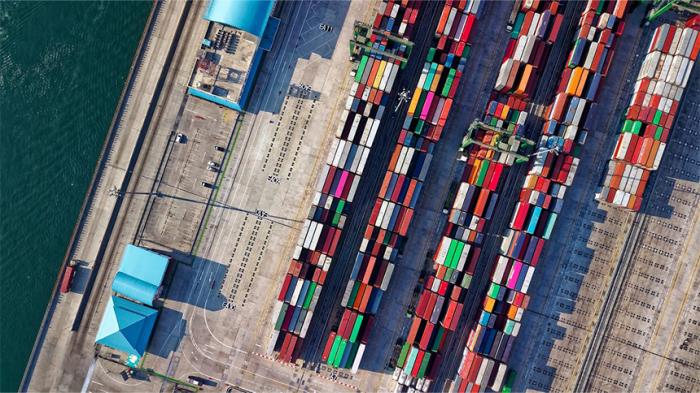
In a recent interview, heads of Independent Beauty Association (IBA) implied that at the end of August, about 40 vessels were waiting to enter the ports of Los Angeles and Long Beach. These ports are recognized as the top two busiest ones across North America. The number of such vessels increased to more than 70 by mid-September. The shutdowns of ports posed a grave threat to the delivery of goods on schedule. In addition to the shipping delays and port shutdowns, the pandemic has also disrupted the labor and warehousing. Actually, in the past 18 months and more, the lockdowns also led to shortage of labors in market and rising prices of raw materials. For example, natural disasters, coupled with COVID disruptions, caused the serious shortage of plastic resin.
All these challenges may make some beauty companies adopt erroneous decisions, for example, rampant inventory stocking. It seems to be a common thing in beauty industry that companies seek to forecast supply needs 4 months out in respond to the transportation delays. For example, orders placed at the beginning of August this year may be stocked in February 2022. Planning for such a long period of transit time will inevitably undermine the forecasting ability and stock management ability of a company.
In the face of above-mentioned supply chain crises, some cosmetics companies, just as heads of IBA said, are forced to think out of the box and make innovations. If you think that with so many combined crises in the supply chain, companies will pay high attention to their business rather than environmental production, then you're wrong. Things are the opposite. Sustainable packaging innovation is a way out for these companies. For example, some companies may not be able to obtain plastic resin during the pandemic, so they may turn to alternative packaging materials such as biomaterials—bamboo or paper. Of course, if some companies focus on PCR materials, they may also be affected by supply chain crises as PCR materials may not be available, or transported as schedule or at affordable prices. However, it can not be denied that the supply chain crises provide those companies a new idea in upgrading their products. In the long run, sustainable packaging innovation can greatly improve efficiency and reduce costs for beauty companies.
For now, as the outbreak is gradually contained and the vaccines are fully administered, the lockdowns are eased and production and work return to normal. An explosive, unleashed growth is coming to the cosmetics industry. However, the supply chain crises have not been completely solved, the global beauty companies, big or small, are still facing the impact of supply chain crises.
Beauty Sourcing is such a platform that is dedicated to offering global beauty supply chain solutions. Over ten years of explorations in cosmetics industry have brought the platform numerous resources of suppliers and manufacturers. Based on its online-to-offline business model, Beauty Sourcing is building up supply chain resources with premium manufacturers to provide tools and services to help beauty companies negotiate with crises. In particular, at Beauty Sourcing, we also offer RFQ services. Global buyers can submit their RFQ online. Then, we will recommend suitable suppliers for free quotation and price comparison. In addition, we also offer third-party quality inspection services. Overall, Beauty Sourcing will make a good start in your responses to supply chain crises.