


Public
 100ml pet bottle for syrup package
- 500ml HDPE plastic lotion bottle
- 500ML HDPE Spray Bottle
 Cangzhou Rongdar International Trade Co., Ltd Links
 Composition Of Plastic
- Flow characteristics of polymers during molding
- HDPE Plastic Bottle
- High Quality PET bottle 150g
- ldpe process conditions and physical and chemical properties
- PP(Polypropylene) process conditions and physical and chemical properties
- Quality HDPE bottle for medicine 120ml
 Rongdar Pharmaceutical Packing Co.,Ltd Blog/Forum
- Rongdar Pharmaceutical Packing Co.,Ltd Blog/Forum
 Rongdar Pharmaceutical Packing Co.,Ltd Locations
 Rongdar Pharmaceutical Packing Co.,Ltd Videos
- What is the formulation of plastics?
- What is the physical and chemical properties of PETG?
- Working process of injection molding machine
- زجاجة الحيوانات الأليفة مقدمة
If this is your company, CONTACT US to activate Packbase™ software to build your portal.
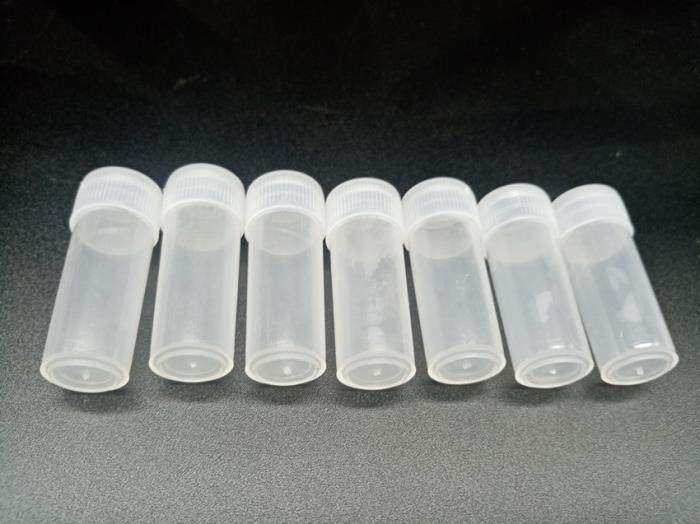

Drying: No drying required if stored properly
Melting temperature: 220~275°C, be careful not to exceed 275°C
Mold temperature: 40~80°C, 50°C is recommended. The degree of crystallization is mainly determined by the mold temperature
Injection pressure: up to 180MPa
Injection speed: Generally, high-speed injection molding can minimize internal pressure. If there are defects on the surface of the product, a low-speed injection molding process at a higher temperature should be used
Runners and gates: For cold runners, typical runner diameters range from 4 to 7mm. Circular sprue and runners are recommended. All types of gates can be used. Typical gate diameters range from 1 to 1.5mm, and gates as small as 0.7mm can also be used. For edge gates, the minimum gate depth should be half the wall thickness of the plastic part; the minimum gate width should be at least twice the wall thickness of the plastic part. PP material is very suitable for hot runner system.
PP is a semi-crystalline material. It is harder and has a higher melting point than PE
Because the homopolymer PP temperature is very brittle above 0C, many commercial PP materials are random copolymers with 1% to 4% ethylene. Copolymer-molded PP material has low heat distortion temperature (100°C), low transparency, low gloss, and low rigidity. But it has stronger impact strength. The strength of PP increases with the increase of ethylene content
The Vicat softening temperature of PP is 150°C. Due to the high degree of crystallinity, this material has very good surface stiffness and scratch resistance properties
PP does not have the problem of environmental stress cracking. Usually, PP is modified by glass fibers, metal additives or thermoplastic rubber. The melt flow rate (MFR) of PP ranges from 1 to 40g/10min. PP materials with low melt flow rates have better impact resistance but lower ductility. More than PP materials with the same MFR, the strength of the copolymer is higher than that of the homopolymer type
Due to crystallization, the shrinkage rate of PP is quite high, generally 1.8%~2.5%. And the directional uniformity of shrinkage is much better than that of LDPE and other materials. Adding 30% glass fiber can reduce the shrinkage to 0.7%
Both homopolymer and copolymer PP materials have excellent moisture absorption resistance, acid and alkali corrosion resistance, and solubility resistance. However, it has no resistance to aromatic hydrocarbon (such as benzene) solvents, chlorinated hydrocarbon (carbon tetrachloride) solvents, etc. PP is also not as resistant to oxidation at high temperatures as PE.
Rongdar Packing
www.rongdar.com