


 Fast Custom Boxes Links
 A Guide to Aerosol Packaging
- Aerosol can printing process
- How Fanxun Meets Global Market Demand Through Customized Aerosol Can Services
- How to get low price packaging?
- The Benefits of Using Poster Tubes for Shipping for Maximizing Efficiency
- The Benefits of Using Poster Tubes for Shipping for Maximizing Efficiency
If this is your company, CONTACT US to activate Packbase™ software to build your portal.
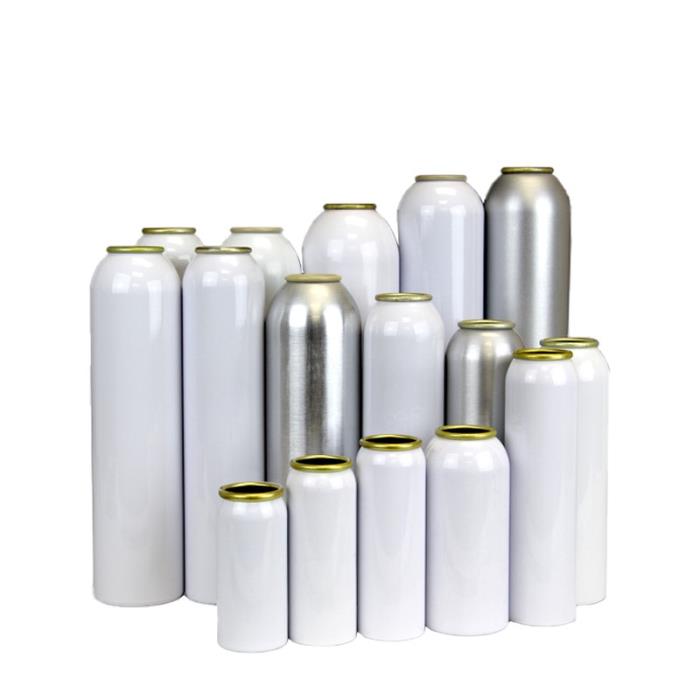

The concept of aerosol packaging dates back to the late 1920s, but it was not until the 1940s that it gained significant attention. Until modern aerosol packaging has become an ideal choice for a wide range of applications, from household cleaners and personal care products to industrial chemicals and automotive solutions. The technology behind aerosol packaging can safely store and effectively deliver products that require precise application, such as paints, deodorants, disinfectants and lubricants.
How Aerosol Packaging Works
Aerosol packaging can be called aerosol can or aerosol bottle. It is mainly made of recyclable plastic, glass, aluminum or tin metal. Since there is a dip tube inside the container that extends to the liquid product and then connects the valve, the user only needs to press the propellant inside the valve to spray the contents of the can through the nozzle, forming a fine mist, spray or foam. This working principle makes aerosol packaging a convenient packaging form that is widely used in fields such as cosmetics, household cleaning, car maintenance and industrial production.
Advantages of Aerosol Packaging
Why would you consider using aerosol packaging to package your products? Because there are many advantages to this packaging. These advantages include:
Easy to use: The user can easily release the contents by simply pressing the valve with their fingers, providing a quick and easy use experience without the need for additional tools or equipment.
Safety: Aerosol cans have excellent sealing properties, which can effectively prevent the contents from moisture, oxidation or contamination, thereby extending the shelf life of the product.
Control: Aerosol packaging can control the amount and range of spray by adjusting the nozzle and valve design. This can minimize waste and maximize efficiency.
Protective performance: Aerosol packaging can protect the contents from light, air and moisture, ensuring the stability and effectiveness of the product, especially for volatile or sensitive chemicals.
Easy to store and transport: Aerosol cans are usually designed to be compact and durable, not easy to break, and easy to store and transport
Recyclable: Like other metal packaging, aerosol cans and aerosol bottles are 100% infinitely recyclable.
Things to consider for aerosol packaging
When designing and producing aerosol packaging, it is very important to determine the size and basic color of the container according to the product. For example, if the aerosol packaging material you use is aluminum or tin-plated steel, you need to communicate with the aerosol can manufacturer based on the details of your product.
Decoration of aerosol packaging
Once the shape of the container (the shape is determined by the shoulder style, such as round, oval, flat/conical or soft/bullet), size and color coating are determined, you can determine the product and brand. Through elements such as printing technology, surface treatment, color selection, label and text design, enhance the visual effect and brand image of the product. Decoration (including brushed aluminum, metal, high gloss, soft touch, and embossed and textured design) not only increases the attractiveness of the packaging, but also achieves product differentiation in the market competition
Summary
Aerosol packaging remains an important part of many industries. By understanding the materials, design considerations, advantages and environmental impact of aerosol packaging. According to the characteristics of the product, aerosol packaging manufacturers can create more new packaging and meet the changing market needs.