


 Fast Custom Boxes Links
 A Guide to Aerosol Packaging
- Aerosol can printing process
- How Fanxun Meets Global Market Demand Through Customized Aerosol Can Services
- How to get low price packaging?
- The Benefits of Using Poster Tubes for Shipping for Maximizing Efficiency
- The Benefits of Using Poster Tubes for Shipping for Maximizing Efficiency

If this is your company, CONTACT US to activate Packbase™ software to build your portal.
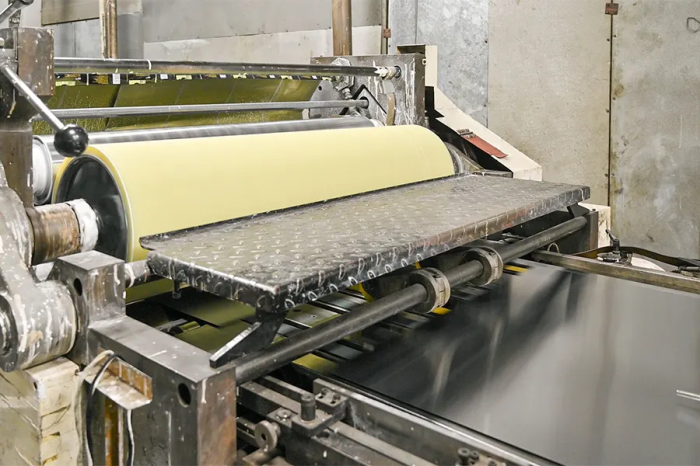

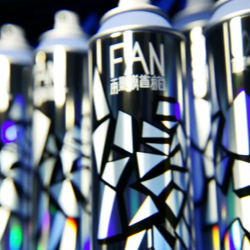
Since its development in 1941, aerosol packaging has been popular with users. As a container widely used in aerosol packaging for various product packaging, the appearance of aerosol can is not only an intuitive presentation of the product brand image, but also an important means to attract consumers' attention in a highly competitive market. The printing process of aerosol cans is the core technology of this process, combining advanced manufacturing technology with innovative design concepts. This article will explore the main technologies, processes and current innovation trends of aerosol can printing.
Overview of printing process
The printing process of aerosol cans usually involves metal printing, with the main materials being aluminum or tinplate. Due to the characteristics of the metal surface, the printing process of aerosol cans is more complicated than printing on other materials such as paper or plastic, requiring higher precision and process control. The main printing processes include:
Offset printing process
Offset printing (Lithography) is one of the main methods of aerosol can printing, especially suitable for mass production. The offset printing process transfers the image from the printing plate to the rubber blanket, and then from the rubber blanket to the metal surface. This process enables high-resolution image printing, suitable for the presentation of multi-color patterns. Offset printing technology is highly accurate and can faithfully reproduce complex designs, including detailed text and gradient tones.
Gravure printing
Gravure printing is also common in aerosol can printing, especially when high gloss or specific texture effects are required. Gravure printing is done by carving tiny grooves into the metal surface, filling these grooves with ink, and then transferring the ink to the surface of the metal can by applying pressure. Gravure printing has extremely high durability and consistency, making it suitable for long-term mass production.
Screen printing
Screen printing is mainly used for smaller batch production or printing that requires special effects. It pushes the ink through the template through the screen to transfer the pattern to the metal surface. Screen printing can achieve a very thick layer of ink on the surface of the aerosol can, so it is suitable for producing specific tactile effects, such as relief or three-dimensional effects.
Surface treatment technology of aerosol cans
Surface treatment technology also plays an important role in the printing process of aerosol cans, determining the texture and visual effect of the final product. Common surface treatment technologies include:
Matte and glossy treatment
Depending on the needs of the product, the surface of the aerosol can can be matte or glossy. Matt treatment can reduce reflection and increase the high-end feel of the product, while glossy treatment can enhance the color saturation and visual impact. Both can be achieved through coating or post-printing treatment.
Metallic texture treatment
In order to enhance the visual appeal of aerosol cans, metal texture treatment is also a common method. This treatment method can be achieved by adding metal powder or using metallic ink during the printing process, giving the can body a shiny metallic luster.
Innovation and environmental protection trends
With the improvement of environmental awareness, the concept of sustainable development has gradually been introduced into the aerosol can printing process. Many printing manufacturers have begun to use solvent-free inks and environmentally friendly coatings to reduce the emission of harmful volatile organic compounds (VOCs). In addition, the application of water-based inks is also gradually becoming popular. This ink is not only environmentally friendly, but also provides good printing effects.
Holographic printing and special effects
Holographic printing technology is an innovation in aerosol can printing, which can create 3D effects or dynamically changing images, greatly enhancing the visual appeal of products. In addition, the use of special effect inks such as temperature-dependent inks and tactile inks is also increasing, bringing more possibilities to aerosol can printing. These technologies not only enhance the uniqueness of packaging, but also increase the interactive experience of consumers.
Sustainable materials and processes
Under the general trend of sustainable development, more attention is paid to the use of sustainable materials in the aerosol can printing process. For example, the use of recyclable aluminum as the substrate of aerosol cans, combined with environmentally friendly coatings and inks, reduces the impact on the environment. At the same time, low-energy printing processes are also becoming popular, such as the use of LED UV curing technology to replace traditional UV curing lamps, reducing energy consumption and extending the service life of equipment.
Conclusion
The printing process of aerosol cans is a combination of technology and art. In the modern market, as consumers' requirements for brand image and product experience continue to increase, aerosol can manufacturer are also constantly innovating and developing in printing processes. In the future, with the advancement of science and technology and the improvement of environmental protection requirements, the aerosol can printing process will continue to develop in a more technological and green direction.